Dupes, Counterfeits, and the Grey Market Reshaping Luxury in China
The lines between authentic, inspired, and fake have always been complicated in China. They are becoming more so.
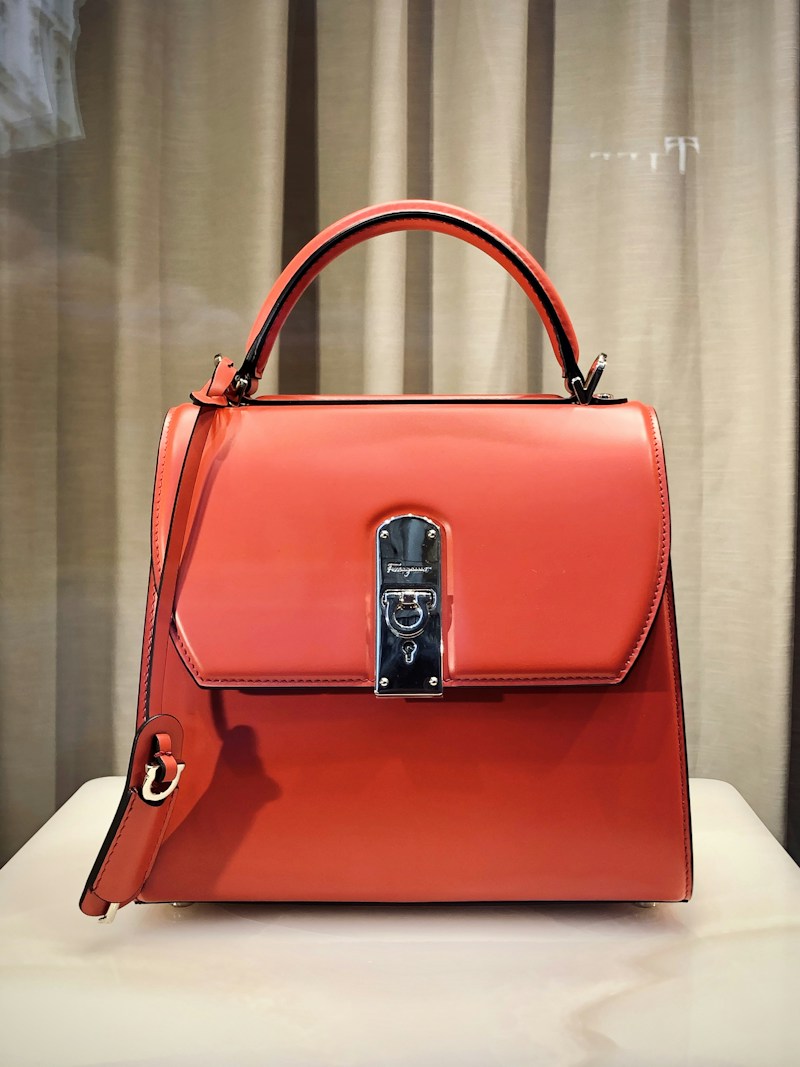
The handbag costs 380 yuan. It is sold through a seller whose location is unknown, to a buyer who is under no illusions about what they are purchasing. The bag is not a Bottega Veneta. The bag is inspired by a Bottega Veneta. The bag is, by any objective assessment, extremely good.
This is one corner of a phenomenon that the global luxury industry has been trying to address for decades, with mixed results. In China, it has evolved beyond anything that the industry’s original frameworks were designed to handle.
The Taxonomy
The vocabulary used to describe non-authentic luxury goods in China has proliferated to constitute its own field of study. The terms distinguish not just between authentic and fake but between multiple gradations, each with different legal implications and different relationships to the original brands.
Shanzhai — literally “mountain stronghold” — is the broadest category. Gaofang, meaning “high imitation,” refers to products produced to a quality standard close to the original. Pingti, or “flat replacement,” describes products that serve the same function as luxury goods without pretending to be them — the 380-yuan bag that is openly not a Bottega Veneta but is clearly influenced by one.
Pingti products occupy a space that trademark law struggles to address: they do not bear counterfeit logos, they do not claim to be the original, and they are often purchased by consumers who are entirely aware of what they are buying.
The Consumer
Research consistently finds that a significant proportion of consumers who buy high-quality imitations do so not to deceive but to evaluate. They buy the imitation first to understand whether the design works for them, whether it’s worth the investment. If yes, they buy the authentic version. If no, they have spent 380 yuan rather than 38,000.
The imitation is functioning as a product sample. This consumer behaviour has no good analogue in Western luxury markets.
The Domestic Brand Effect
The most significant long-term consequence of the non-authentic luxury ecosystem may be its role in building the consumer sophistication now benefiting domestic luxury brands. A generation of consumers who have spent years examining high-quality imitations has developed a refined understanding of materials and construction that they are now applying to domestic products.
The counterfeiting problem that the luxury industry has been trying to solve for decades may have inadvertently educated its best future customers for a different set of brands entirely.