How Singapore Became the Holding Company Capital of Asia
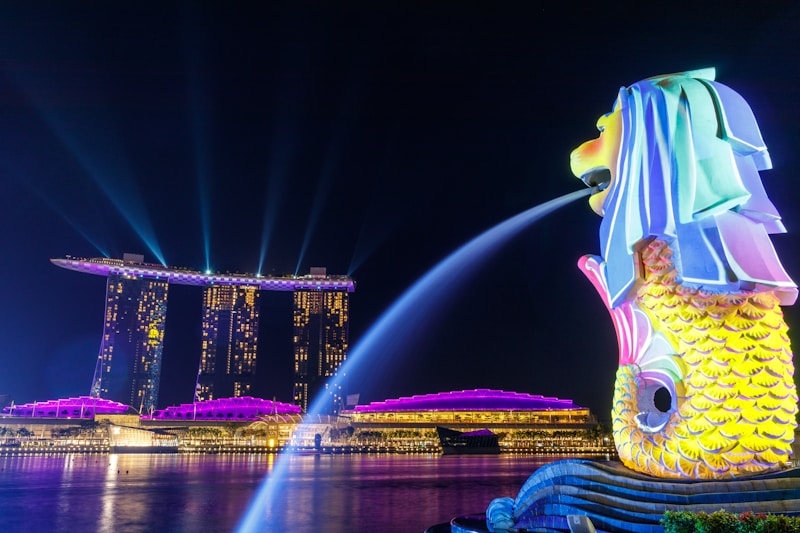
The city-state's rise as the preferred domicile for Asia's most ambitious multi-entity business structures is no accident.
When a Malaysian entrepreneur with businesses in five countries wants to create a holding structure for her assets, she incorporates in Singapore. When an Indonesian family office decides to formalise its investment activities, it registers in Singapore. When a Vietnamese tech founder raises a Series B from international investors, the vehicle is almost certainly a Singapore company.
Singapore has become the default domicile for serious multi-entity business structures across Southeast Asia. This did not happen by accident.
The Infrastructure
The foundations are well understood: rule of law, a court system that international businesses trust, a regulatory environment that is demanding but clear, a tax treaty network covering most of the world’s major economies, and a corporate administration infrastructure built specifically to serve international businesses.
What is less appreciated is how these foundations interact with each other. It is not simply that Singapore has good laws. It is that Singapore has good laws, competent courts to interpret them, a professional services ecosystem to navigate them, a banking system that takes international compliance seriously, and a government that actively wants sophisticated international business to locate there.
The Family Office Effect
The number of single-family offices in Singapore grew from around 400 in 2020 to over 1,500 in 2025 — a nearly fourfold increase representing the relocation of an enormous quantity of Asian private wealth.
The individuals behind those offices are not Singaporean. They are Indonesian, Malaysian, Thai, Vietnamese, Chinese, and Indian. They chose Singapore for the same reasons: political stability, rule of law, tax efficiency, and proximity to everything that matters in Asia.
What This Means
The concentration of holding structures in Singapore has second-order effects. Decisions about where Asian capital flows — which markets to enter, which businesses to invest in — are increasingly being made in Singapore, by people sitting in Singapore offices.
For anyone trying to understand how business power in Asia actually works, Singapore is not just an interesting case study. It is the room where things happen.